Product List
Laparoscopic Surgery

Open Surgery
Reusable Products
Reusable Trocar
(Available in different Designs & Sizes)
i. Trocar
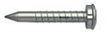
ii. Trocar With Safety

iii. Trocar With Magnet
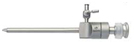
iv. Trocar With Magent Safety

Reusable Dissectors
(Available in different Designs & Sizes)
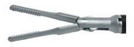
Reusable Scissors
(Available in different Designs & Sizes)
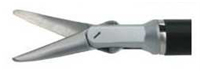
Reusable Forceps
(Available in different Designs & Sizes)

Reusable Graspers
(Available in different Designs & Sizes)
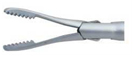
Reusable Clip Applicator
(Available in different Designs & Sizes)
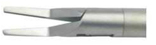
Reusable Needle Holder
(Available in different Designs & Sizes)

Reusable Electrodes
(Available in different Designs & Sizes)
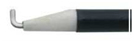
Sealing Caps
(Available in different Designs & Sizes)

Reusable Scissors
(Available in different Designs & Sizes)

Reducers
(Available in different Designs & Sizes)



Disposable Products
Trocar with Safety
(Available in different Designs & Sizes)

Trocar With Safety & Valve
(Available in different Designs & Sizes)
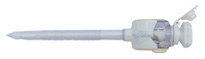
Trocar With Blade
(Available in different Designs & Sizes)
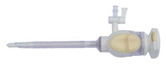
Trocar Without Blade
(Available in different Designs & Sizes)

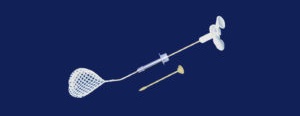
Endobags
(Available in different Designs & Sizes)
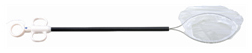
Veress Needles
(Available in different Designs & Sizes)
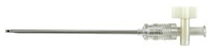
Suction and Irrigation Tube
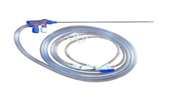
Dissectors
(Available in different Designs & Sizes)

Scissors
(Available in different Designs & Sizes)
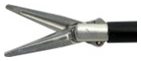
Graspers
(Available in different Designs & Sizes)
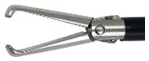
Introduction of Minimal Invasive Surgery
What is Minimal Invasive Surgery?
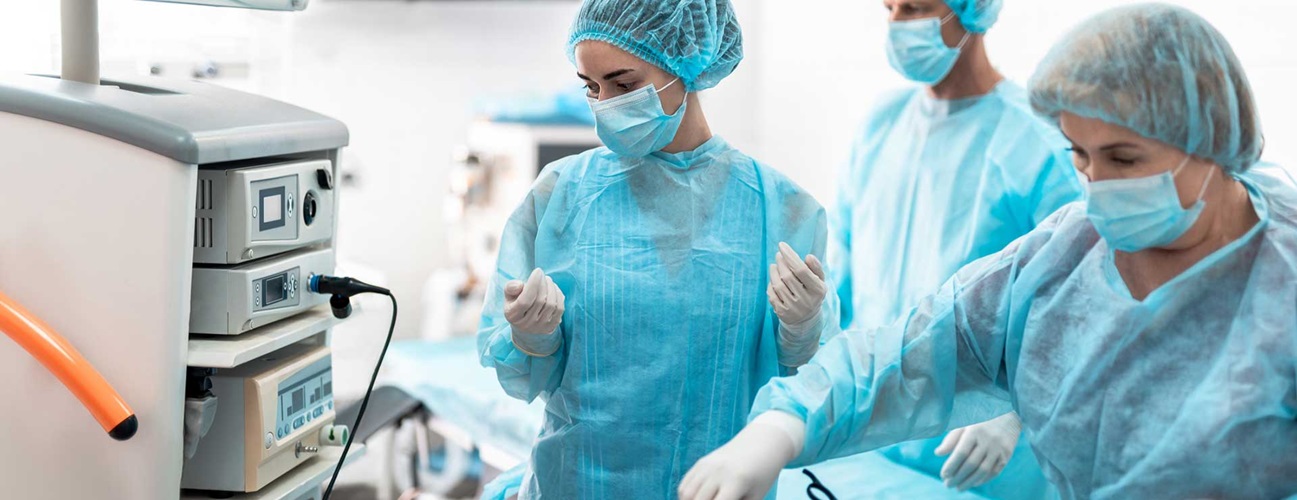
The first minimal invasive surgery procedure of laparoscopic cholecystectomy was performed in 1988. Since then, minimally invasive procedures have been changing the way people think about surgery. Minimally invasive procedures, which include laparoscopic surgery, use state-of-the-art technology to reduce the damage to human tissue when performing surgery. For example, in most procedures, a surgeon makes several small ¾ inch incisions and inserts thin tubes called trocars. Carbon dioxide gas may be used to inflate the area, creating a space between the internal organs and the skin. Then a miniature camera (usually a laparoscope or endoscope) is placed through one of the trocars so the surgical team can view the procedure as a magnified image on video monitors in the operating room. Then, specialized instruments are placed through the other trocars to perform the procedures. These procedures have been proven to be as effective as those of conventional surgery. And more than 50 million patients have had them globally.
Benefits of Minimally Invasive Procedures
- Quicker Recovery – it requires smaller incisions than conventional surgery, the body may heal much faster.
- Shorter Hospital Stays – Minimally invasive procedures help get you out of the hospital and back to your life sooner than conventional surgery.
- Less scarring – Most incisions are so small that it’s hard to even notice them after the incisions have healed.
- Less pain – Because these procedures are less invasive than conventional surgery, there is typically less pain involved.
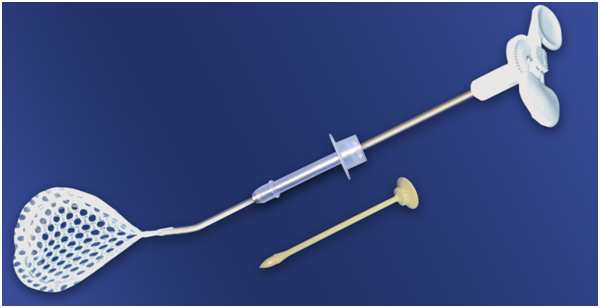
A-Lap
A-Lap is the first 3D Laparoscopic Retractor. It is unique as it feels like you are using your hands. For the same reason it is called “Hand-Like” 3D Retractor. It is a combination of Strength and Flexibility. A-Lap™ is an “Enabler” for complex Laparoscopic procedures.
Why A-Lap?
- Every surgeon needs access to the “working space”.
- Currently graspers and retractors are used for access.
Features & Benefits:
The Laparoscopic “Hand” that “Scoops & Protects” soft tissues and provides:
- Improved surgical window – Safer surgery
- Improved and easier tissue manipulation
- Highly flexible and soft tissue contact
- Reduce operation time
- Reduce need to change patient position
Adaptable for any 5-6mm tool
Adaptable for any 5-6mm tool
- Flexible – Large range of motion
- Low profile above abdomen
- Flange – prevents accidental exiting
- X-ray transparent
- Comes in A-Lap set at no additional cost
Who Can Use A-Lap?
- OBGYN
- Urology Surgeons
Media

DASH
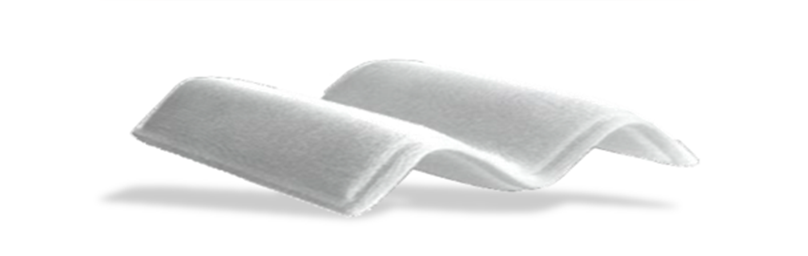
DASH stands for Disposable, Absorbent, Secure Hold. It is a malleable retractor with lap pad absorbency. It helps improve Patient Safety, Surgeons Comfort and Visibility.
Calibration Activities
5, 10, 15, 20, 25, 30, 35, 40, 45, 50 GBq (Given values are for 99Mo activity on calibration date)
Why DASH?
- The first and only hands-free disposable, 3-dimensional, malleable, absorbent surgical retractor.
- A simple yet invaluable new tool for surgery.
- Atraumatic Retraction Optimal Visualization.
- Allows for easy reshaping and reforming during surgery.
- Enhances access to surgical site.
- Minimizes need for excess bulky metal retractors.
Risk Management
- Reduces number of lap pads1 for easier post-op count
- Minimizes the risk of gossypiboma2 (foreign body exposure)
Economic Significance
- Reduces OR costs as a function of post-op manual counts and reconciliation of potentially retained lap pads or instruments
- Among 183 cases, 91% of uses were felt to reduce operating room time by 5 to 10 minutes
- Aids in compliance with CMS directive dated August 1, 2007 wherein it states: “…serious preventable events…objects left in surgery…which could have reasonably been prevented.
- Ninety-three percent of DASH cases use fewer individual laparotomy pads for small bowel retraction
Innovative Proprietary Design
- Stainless steel, malleable mesh is surrounded with silastic coating and multiple, integrated layers of absorbent padding for maximum efficiency and control
- Allows for easy detection under x-ray
Multiple Sizes Allow for Multidisciplinary Use
General / Colon & Rectal
- Colectomy
- Abdominoperineal Resection
- Lower Anterior Resection
- Open Gastric Bypass
- Whipple
- Sigmoidectomy
- Bariatric Procedures or Large Incision Sites
- Total Abdominal Hysterectomy
- Bilateral Salpingo Oophorectomy
- Myomectomy
- C-Section
- Prostatectomy
- Bladder Surgery
- Lobectomy
- Repair of Esophegel Perforation
- Enhanced Access to Thoracic Space
- Anterior Access